
The output of eight key infrastructure sectors expanded by 2 per cent in September, though the growth was slower than the 9.5 per cent registered in the same month last year, according to official data released on Wednesday. The output of these sectors had contracted by 1.6 per cent in August. Out of the eight key sectors, three -- crude oil, natural gas and electricity -- recorded negative growth in September.

The output of eight key infrastructure sectors slowed down to a five-month low of 2.9 per cent in February, as against 7.1 per cent growth registered a year ago, according to official data released on Friday. On a monthly basis, the production growth of the core sectors was lower than the 5.1 per cent expansion recorded in January.

The government's capital expenditure in the April-November period of financial year 2024-25 (FY25) continued to contract with a 12.3 per cent decline year-on-year (Y-o-Y), according to data released by the Controller General of Accounts on Tuesday.

Indian economy grew by 7.8 per cent in April-June -- the highest in five quarters -- before the disruptive US tariffs were imposed.

India posted a current account surplus of $13.5 billion or 1.3 per cent of GDP in March quarter 2024-25 as compared with $4.6 billion in the year-ago period mainly on account of surge in services exports and higher remittances, according to RBI data released on Friday.

Merchandise exports to the US jumped 23.5 per cent year-on-year (Y-o-Y) to $8.3 billion in June, even as India's overall outbound shipments witnessed contraction during the month, according to the data released by the commerce department on Tuesday. The increase in outbound shipments to the US was largely driven by the rush among exporters to utilise America's pause on its plans to impose country-specific reciprocal tariffs.

The Centre's fiscal deficit at the end of the eighth month of financial year 2024-25 touched 52.5 per cent of the full-year target, government data showed on Tuesday. In absolute terms, the fiscal deficit -- the gap between the government's expenditure and revenue -- was about Rs 8.47 lakh crore during the April-November period, according to the data released by the Controller General of Accounts (CGA).

The Centre's fiscal deficit touched 74.5 per cent of the annual target at the end of January 2025, according to the data released by Controller General of Accounts (CGA) on Friday.

The RBI is likely to reduce the key interest rate by 25 basis points this week after keeping it on hold for two years, complementing the Union Budget initiatives to push consumption-led demand, though the sliding rupee continues to be a concern. As the retail inflation has remained within the Reserve Bank's comfort zone (less than 6 per cent) for most of the year, the central bank can take rate action to boost growth hit by sluggish consumption, opined experts.

CAG warns most states of fiscal imprudence as March spending overshoots limits, with key departments exhausting large portions of budgets in the last month of FY24.

Retail inflation declined to over six-year low of 2.1 per cent in June, nearing the RBI's comfort zone, on account of subdued prices of food items, including vegetables, driven by widespread monsoon.

India's industrial production growth decelerated to a six-month low of 2.9 per cent in February 2025, mainly due to poor performance of the manufacturing, mining and power sectors, according to official data released on Friday. The government also revised upward the industrial growth figure to 5.2 per cent for January 2025 from the provisional estimate of 5 per cent released in March.

India's exports declined for the fourth month in a row in February to $36.91 billion due to volatility in petroleum prices and global uncertainties. The country's exports stood at $41.41 billion in the same month a year ago.

Domestic rating agency Icra on Wednesday said India's real GDP growth for the September quarter is likely to decline to 6.5 per cent due to heavy rains and weaker corporate performance. The agency, however, maintained its FY25 growth estimate at 7 per cent on expectations of a pick up in economic activity in the second half of the fiscal.

Retail inflation breached the Reserve Bank's upper tolerance level, soaring to a 14-month high of 6.21 per cent in October mainly on account of rising food prices. Inflation based on the consumer price index (CPI) was 5.49 per cent in September and 4.87 per cent in the year-ago month. Retail inflation trended below the RBI's upper tolerance band of 6 per cent since September last year.
India's industrial production growth remains almost flat at 3 per cent in March sequentially, though, on a year-on-year basis, it slipped from 5.5 per cent, mainly due to poor performance of the manufacturing, mining and power sectors.

Retail inflation eased to a nearly six-year low of 3.16 per cent in April mainly due to subdued prices of vegetables, fruits, pulses, and other protein-rich items, creating enough room for the Reserve Bank to go for another round of rate cut in the June monetary policy review. The Consumer Price Index (CPI) based inflation was 3.34 per cent in March and 4.83 per cent in April 2024. It was 3.15 per cent in July 2019.
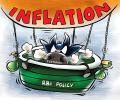
Retail inflation slipped to seven-month low of 3.61 per cent in February mainly due to easing prices of vegetables, eggs, and other protein-rich items, creating space for the RBI to go for another cut in interest rate next month.

The growth in production of eight key infrastructure sectors slowed down to a 20-month low of 4 per cent in June this year due to a decline in the output of crude oil and refinery products, according to official data released on Wednesday. The core sectors' production grew by 6.4 per cent in May 2024. The growth of core sectors -- coal, crude oil, natural gas, refinery products, fertiliser, steel, cement and electricity -- was 8.4 per cent in June 2023.

India's goods exports rebounded in July after two months of contraction, with outbound shipments rising 7.3 per cent to $37.24 billion, led by a surge in exports to the United States before the country's reciprocal tariff kicked in and bolstered by a recovery in exports to other key markets.

The growth of eight key infrastructure sectors rose to 5.2 per cent year-on-year in March due to improvement in the output of crude oil, cement and electricity, according to official data released on Tuesday. In 2023-24, the growth rate in the output of these eight sectors was 7.5 per cent, marginally down from 7.8 per cent recorded in the year-ago period.

The eight key infrastructure sectors' growth rose by 6.3 per cent in May on healthy expansion in the production of coal, natural gas, and electricity, though the growth rate is lower than in April, according to official data released on Friday. The production of the eight sectors grew 6.7 per cent in April. The growth of these core sectors -- coal, crude oil, natural gas, refinery products, fertiliser, steel, cement and electricity -- was 5.2 per cent in May 2023.
The growth in production of eight key infrastructure sectors entered a negative zone after three-and-a-half years, contracting 1.8 per cent in August 2024 due to decline in output of coal, crude oil, natural gas, refinery products, cement and electricity, according to official data released on Monday. The growth rate was 6.1 per cent in July. The growth of core sectors -- coal, crude oil, natural gas, refinery products, fertiliser, steel, cement and electricity -- was 13.4 per cent in August 2023.

Retail inflation dipped marginally to a nearly six-year low of 3.34 per cent in March due to a decline in prices of vegetables and protein-rich items. The Consumer Price Index (CPI) based inflation was 3.61 per cent in February and 4.85 per cent in March last year.

Continuing the downward trend, retail inflation fell to a five-month low of 4.31 per cent in January, mainly due to a decline in the prices of vegetables, eggs, and pulses. The Consumer Price Index-based retail inflation was 5.22 per cent in December and 5.1 per cent in January 2024. The previous low inflation was in August 2024 at 3.65 per cent.

The growth of eight key infrastructure sectors slowed to a 14-month low of 3.8 per cent in December 2023, on account of poor performance of sectors like crude oil, electricity, steel and cement, according to the official data released on Wednesday. The core sector (coal, crude oil, natural gas, refinery products, fertiliser, steel, cement and electricity) growth in November was 7.9 per cent. It was 8.3 per cent in December 2022.
The Centre's fiscal deficit at the end of the first seven months of financial year 2024-25 touched 46.5 per cent of the full-year target, government data showed on Friday. In absolute terms, the fiscal deficit -- the gap between government's expenditure and revenue -- was at Rs 7,50,824 crore during April-October period, according to data released by the Controller General of Accounts (CGA). The deficit stood at 45 per cent of the Budget Estimates (BE) in the corresponding period of 2023-24.

The wholesale inflation rose to a 13-month high of 1.26 per cent in April fuelled by rising prices of food articles, especially vegetables, amid expectations of RBI holding interest rates in the policy review next month. The wholesale price index (WPI) based inflation has been rising for two months in a row.

Despite gross domestic product (GDP) growth being lower-than-expected for the July-September quarter, the six-member Monetary Policy Committee (MPC) may not cut the policy repo rate in the review meeting scheduled for next week due to high inflation in October, according to experts. "Consumer Price Index (CPI) inflation breaching the upper limit of the RBI's tolerance band in October (6.2 per cent year-on-year) is not a favourable backdrop for the MPC to commence the easing cycle, even as the growth outcome disappointed the MPC's expectations," said Shreya Sodhani, regional economist at Barclays, who expects the policy repo rate to be kept unchanged in the December meeting.

Retail inflation declined to a five-year low of 3.54 per cent in July mainly on account of subdued prices of food items, and base effect, according to official data released on Monday. The Consumer Price Index (CPI) based retail inflation was 5.08 per cent in June 2024 and 7.44 per cent in July 2023.

Retail inflation increased to four-month high of 5.08 per cent in June as food items, including vegetables became dearer, according to government data released on Friday. The Consumer Price Index (CPI) based retail inflation was on a decline since January, before rising again in June. The CPI-based retail inflation was 4.8 per cent in May 2024 and 4.87 per cent in June 2023.

Soaring vegetable prices pushed the retail inflation rate to a nine-month high of 5.49 pr cent in September, according to government data released on Monday. The consumer price index (CPI)-based retail inflation rate was 3.65 per cent in August and 5.02 per in September 2023. The previous high inflation rate was witnessed in December 2023 at 5.69 per cent.

Retail inflation in August inched up to 3.65 per cent, though vegetables and pulses witnessed price rise in double digits, according to official data released on Thursday. The retail inflation based on the Consumer Price Index (CPI), however, remained below the Reserve Bank's median target of 4 per cent for the second month in a row. It was at a five-year low of 3.6 per cent in July.

After a gap of nearly two years, India's industrial production turned negative as it contracted by 0.1 per cent in August, mainly due to a decline in the mining and power generation sectors' output, in addition to an almost flat expansion in the manufacturing sector. According to the data released by the National Statistical Office (NSO), factory output growth based on the Index of Industrial Production (IIP) has also been revised downwards for July to 4.7 per cent from the earlier estimate of 4.8 per cent. "The IIP growth rate for the month of August 2024 is (-) 0.1 per cent, which was 4.7 per cent in the month of July 2024," NSO said in a release.
Retail inflation rose at the fastest pace in four months in December 2023 at 5.69 per cent, on account of an increase in prices of vegetables, pulses, and spices, according to government data released on Friday. The annual inflation based on Consumer Price Index (CPI) was at 5.55 per cent in November and 5.72 per cent in the year-ago month. As per the data released by the National Statistical Office (NSO), the rate of price rise in the food basket, which constitutes nearly half of the CPI, increased to 9.53 per cent in December 2023, as against 8.7 per cent in the preceding month, and 4.19 per cent in December 2022.

India's industrial production growth slowed to 3.8 per cent in December 2023, mainly due to poor performance of mining and power generation segments, according to official data released on Monday. The factory output growth measured in terms of the Index of Industrial Production (IIP) was at 5.1 per cent in December 2022. In November last year, IIP growth stood at 2.4 per cent.
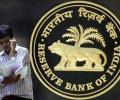
With concern on food inflation ebbing with the monsoon progressing well, the Reserve Bank of India (RBI) is warming up to the idea of a change in stance to "neutral" from "withdrawal of accommodation", according to economists. In his speech on Thursday during the annual event of the Federation of Indian Chambers of Commerce and Industry-Indian Banks' Association, RBI Governor Shaktikanta Das said: "The balance between inflation and growth is well-poised."

The growth of eight key infrastructure sectors slowed down to 4.3 per cent in May 2023 due to a decline in the production of crude oil, natural gas and electricity, according to the data released by the government on Friday. The core sector growth was 19.3 per cent in May 2022, while in April 2023, the key infra sectors recorded a growth rate of 4.3 per cent. During April-May this fiscal, the output growth of these eight sectors slowed down to 4.3 per cent against 14.3 per cent in the year-ago period, the data showed.
The growth of eight key infrastructure sectors slowed down to a 4-month low of 8.1 per cent in September 2023 against 8.3 per cent a year ago, according to the official data released on Tuesday. The growth rate in the output of refinery products, fertiliser, cement and electricity during the month under review has decelerated, while it was negative in the case of crude oil. The previous low was in May, when the growth rate of these sectors stood at 5.2 per cent.

The central government's fiscal deficit during 2023-24 at 5.6 per cent of the GDP was better than previous estimates of 5.8 per cent on account of higher revenue realisation and lower expenditure, according to official data released on Friday. In actual terms, the fiscal deficit -- or gap between expenditure and revenue -- was Rs 16.53 lakh crore, or 5.63 per cent of the GDP, which grew 8.2 per cent in 2023-24.
